
In today’s textile industry, product quality is not the only factor considered by manufacturers and B2B buyers. In addition, material traceability, responsible sourcing, and harmful substance testing have become important parts of supplier evaluation.
Two widely recognized certifications are the Global Recycled Standard (GRS) and OEKO-TEX STANDARD 100. Although both are relevant to textile manufacturing, they serve different purposes.
GRS focuses on recycled material verification and supply chain traceability. In contrast, OEKO-TEX STANDARD 100 focuses on harmful substance testing.
Therefore, understanding these certifications can help manufacturers make informed decisions when sourcing Polyester Staple Fiber (PSF). [Internal Link: เชื่อมคำว่า Polyester Staple Fiber (PSF) ไปบทความ What Is Polyester Staple Fiber?]
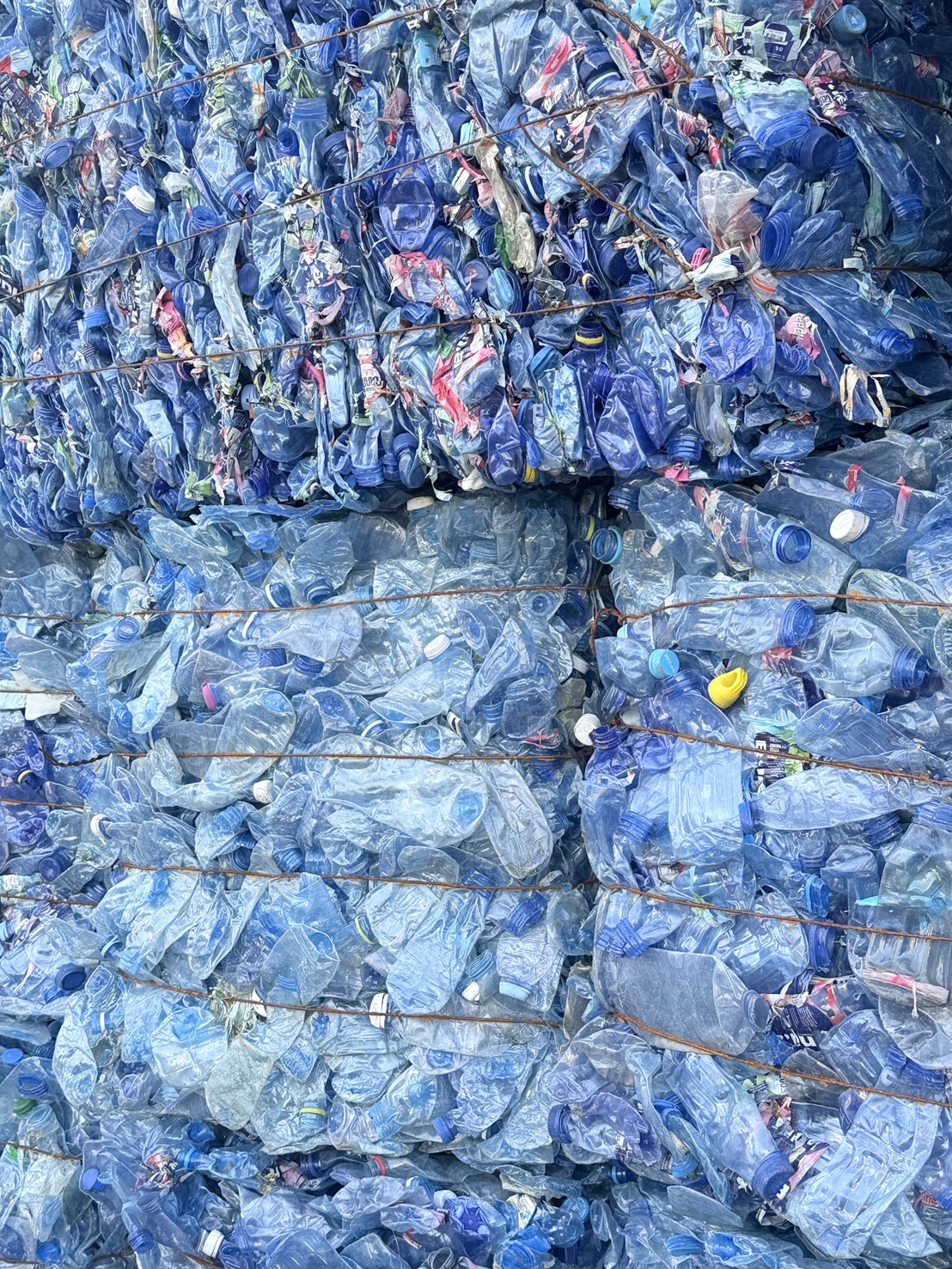
The Global Recycled Standard (GRS) is an international certification standard managed by Textile Exchange. It is designed to verify recycled material content and track certified materials through the supply chain.
Furthermore, social, environmental, and chemical management requirements are included in the standard.
Under the GRS framework, products with at least 20% recycled content may qualify for certification and B2B claims. However, product-specific consumer-facing GRS labeling generally requires at least 50% recycled content, subject to the applicable rules.
As a result, GRS can help buyers evaluate recycled material claims through a recognized certification system.
For detailed requirements, buyers can refer to the official Global Recycled Standard published by Textile Exchange.
OEKO-TEX STANDARD 100 is an internationally recognized certification for textiles tested for harmful substances.
The standard covers a wide range of textile materials, including fibers, yarns, fabrics, and finished products, when they fall within the certified scope.
Moreover, testing requirements are determined according to the intended use of the product. For example, textiles intended for babies and young children must meet stricter requirements than certain decorative textile products.
Consequently, OEKO-TEX STANDARD 100 can provide additional assurance that certified materials meet the applicable harmful substance limits.
However, it does not automatically verify recycled content or the overall environmental performance of a factory.
More information can be found on the official OEKO-TEX STANDARD 100 website.
Although both certifications support textile sourcing decisions, different requirements are evaluated under each standard.
| Factor | GRS | OEKO-TEX STANDARD 100 |
| Main focus | Recycled content and responsible processing | Harmful substance testing |
| Recycled content verification | Yes | No |
| Supply chain traceability | Yes | Not its primary purpose |
| Social and environmental processing requirements | Included | Not its primary purpose |
| Product harmful substance testing | Not equivalent to STANDARD 100 | Yes |
| Main benefit | Verified recycled material sourcing | Compliance with specified harmful substance limits |
In summary, GRS is primarily used to verify recycled material claims and traceability. Meanwhile, OEKO-TEX STANDARD 100 evaluates harmful substances in certified textile materials.
Therefore, the two certifications should not be considered interchangeable.
Polyester staple fiber is widely used in pillows, cushions, quilts, mattresses, nonwoven materials, carpet felt, and insulation.
For manufacturers supplying international markets, certifications may be requested as part of purchasing requirements.
GRS helps buyers verify recycled material claims through documented traceability procedures.
For example, manufacturers sourcing recycled polyester for international brands may need evidence that their materials come from a certified supply chain.
As a result, purchasing decisions can be supported by more transparent documentation.
OEKO-TEX STANDARD 100 helps demonstrate that certified textile materials have been tested against specified harmful substance limits.
This is particularly relevant to manufacturers producing bedding, home textiles, and products intended for human contact.
Furthermore, certification information may help buyers evaluate whether materials meet their customers’ sourcing requirements.
Some international brands require recognized certifications before materials are approved for production.
For instance, a buyer may request GRS-certified recycled polyester for a product with verified recycled content. Alternatively, another buyer may prioritize OEKO-TEX STANDARD 100 for harmful substance testing.
Therefore, suppliers and manufacturers should confirm certification requirements before production begins.
Certification documents provide useful information during supplier evaluation.
Nevertheless, certificates should be reviewed alongside technical specifications, product samples, and quality-control procedures.
Not necessarily. The required certification depends on the intended application and the buyer’s requirements.
For example, GRS may be prioritized when verified recycled content and traceability are required.
On the other hand, OEKO-TEX STANDARD 100 may be prioritized when harmful substance testing is an important purchasing condition.
In some cases, both certifications may be requested.
Therefore, buyers should communicate their certification requirements clearly before placing an order.
Before purchasing certified polyester staple fiber, buyers should request relevant certification documents.
For GRS, a valid Scope Certificate (SC) should be checked to confirm that the supplier and product are covered. In addition, the appropriate Transaction Certificate (TC) or accepted transaction record may be needed to verify certified material transactions.
The authenticity of relevant certificates can be checked through Textile Exchange’s certificate authentication system.
For OEKO-TEX STANDARD 100, buyers should review the certificate number, validity, and product scope. Furthermore, the certification information can be checked through the official OEKO-TEX website.
However, a certificate issued to a supplier does not necessarily cover every product sold by that company.
Therefore, the exact product and certification scope should always be confirmed.
Although these certifications provide assurance within their respective scopes, they do not replace technical performance testing.
For example, the following properties should also be evaluated when selecting polyester staple fiber:
Furthermore, manufacturers should test fiber samples under their actual production conditions whenever possible.
As a result, both certification requirements and technical performance can be considered before large-scale purchasing.
GRS focuses on recycled content verification, traceability, and responsible processing requirements. In contrast, OEKO-TEX STANDARD 100 focuses on harmful substance testing in textile products.
Not in every case. However, GRS may be required by buyers who need certified recycled content and supply chain traceability.
No. Both virgin and recycled polyester fibers may be eligible for OEKO-TEX STANDARD 100 certification. Therefore, the certification does not automatically indicate recycled content.
Yes. Both certifications may apply to the same fiber product when the relevant requirements are met and the product is covered by valid certifications.
No. Although GRS includes chemical management requirements, it is not equivalent to OEKO-TEX STANDARD 100 product testing.
Buyers should request valid certification documents. In addition, the supplier’s name, product scope, and relevant transaction records should be verified through the appropriate certification systems.
GRS and OEKO-TEX STANDARD 100 serve different but potentially complementary purposes in polyester fiber sourcing.
While GRS supports recycled material verification and supply chain traceability, OEKO-TEX STANDARD 100 focuses on harmful substance testing.
Therefore, understanding these certifications can help B2B buyers evaluate suppliers and make more informed purchasing decisions.
At Ocean Chemical Fiber International (Thailand) Co., Ltd., we supply polyester staple fiber in various specifications for filling, bedding, nonwoven, carpet felt, and other textile applications.
Whether you are sourcing polyester staple fiber for bedding or industrial manufacturing, our team can discuss your technical requirements and available fiber specifications.
At Ocean Chemical Fiber International (Thailand) Co., Ltd., our polyester staple fiber is certified under both Global Recycled Standard (GRS) and OEKO-TEX STANDARD 100, reflecting our commitment to responsible sourcing, product safety, and quality. We strive to provide reliable polyester fiber solutions that meet the evolving needs of the global textile industry.
Contact Ocean Fiber today to learn more about our certified polyester staple fiber and find the right solution for your business.