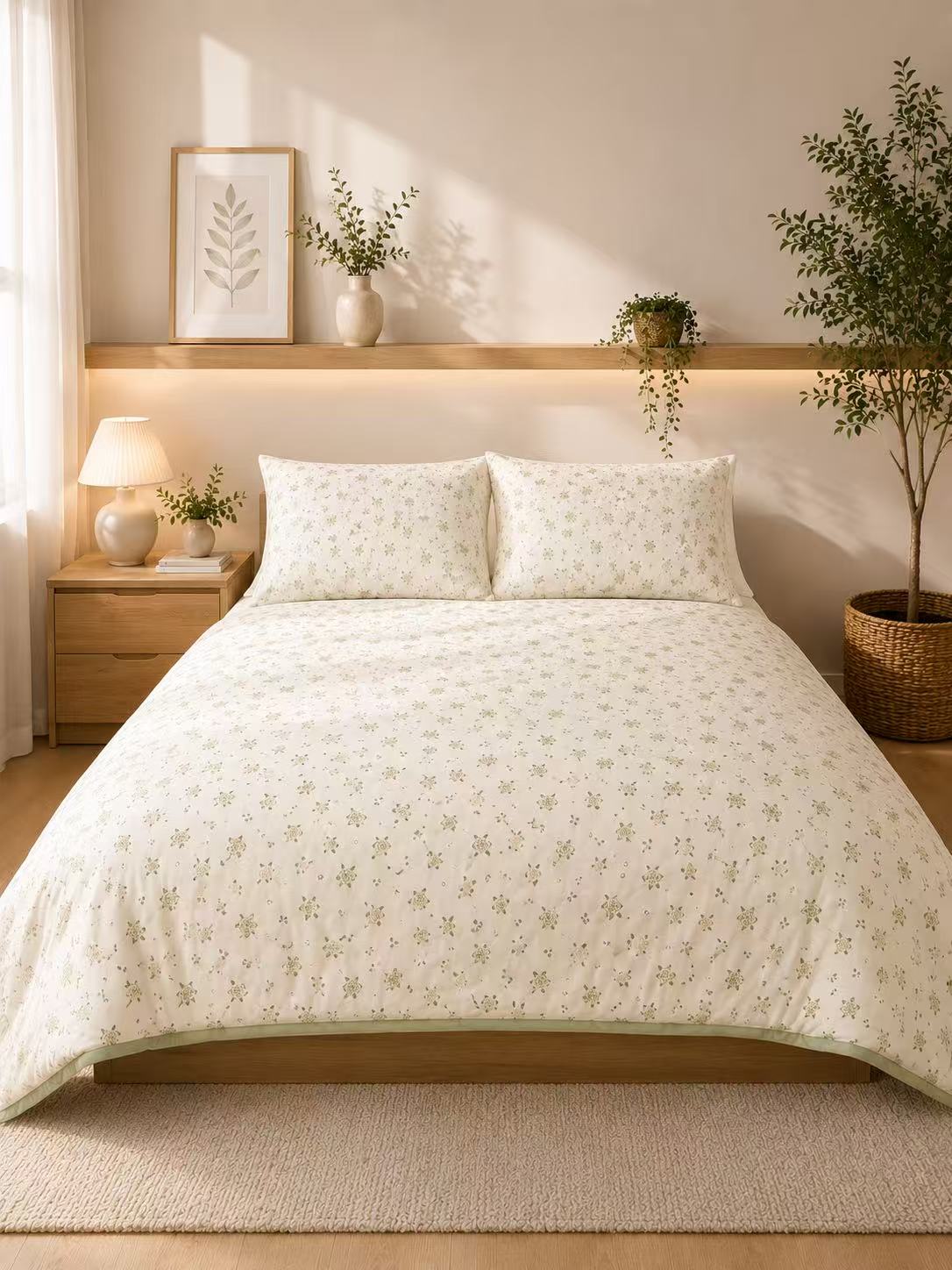
Polyester staple fiber for filling is widely used in pillows, cushions, quilts, mattresses, and other home textile products. However, selecting the right fiber requires more than simply choosing a denier or cut length.
Fiber structure, surface treatment, softness, bulk, and processing requirements must all be considered. For manufacturers and B2B buyers, choosing the appropriate specification can help achieve consistent product quality and meet the intended performance requirements.
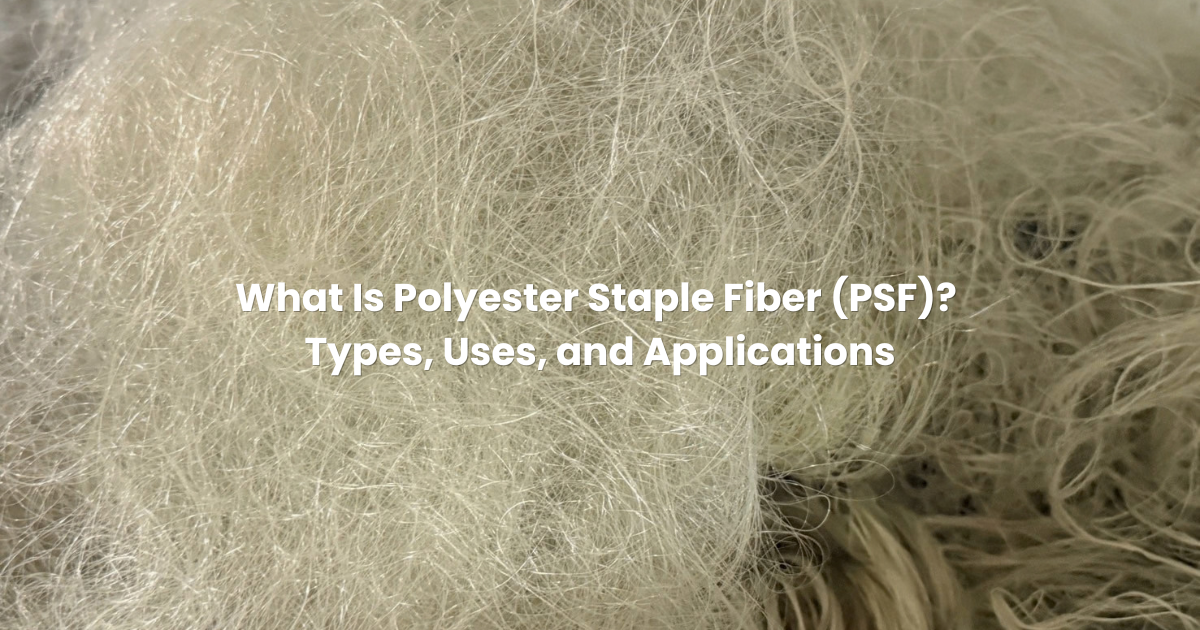
Polyester staple fiber (PSF) is a synthetic fiber that is cut into specified lengths and can be processed into different filling materials.
For filling applications, PSF is commonly selected based on its softness, loft, resilience, and handling characteristics. Different fiber specifications can be used to produce pillows, cushions, quilts, bedding, and upholstered products.
Therefore, the most suitable polyester fiber depends on the intended finished product.
Two common PSF structures are solid and hollow fibers.
Solid PSF has a solid cross-section. Depending on its specification, it can be used for padding, filling, nonwoven materials, and other textile applications.
It may be selected when particular fiber handling characteristics, structure, or processing requirements are needed.
Hollow PSF contains one or more hollow spaces within its cross-section. This structure can help increase fiber bulk and create lightweight, lofty filling materials.
As a result, hollow polyester fiber is frequently considered for pillows, cushions, comforters, and other products that require volume and softness.
However, hollow fiber is not automatically the best choice for every filling application. The required performance and production method should always be evaluated.
Another important consideration is the fiber’s surface finish.
Siliconized polyester staple fiber is treated with a silicone-based finish that reduces friction between fibers. Consequently, it is often selected for applications where smoothness, softness, and ease of fiber movement are desired.
In contrast, non-siliconized polyester staple fiber does not receive the same silicone finish. It may be suitable for applications that require different surface characteristics or downstream processing conditions.
For example, a manufacturer producing soft pillow filling may evaluate siliconized hollow PSF, while a manufacturer producing structured padding may require a different specification.
The final selection should be confirmed through product testing.
Denier is a measurement of fiber linear density. One denier represents one gram per 9,000 meters of fiber.
Generally, finer fibers can contribute to a softer feel, while coarser fibers may be selected for applications requiring different levels of structure or support.
Nevertheless, denier alone does not determine the finished product’s performance.
Fiber length, crimp, surface finish, and manufacturing conditions also influence the final result. Therefore, buyers should evaluate the complete fiber specification rather than relying on denier alone.
The ideal fiber depends on the product being manufactured.
| Application | Fiber characteristics to consider |
| Pillow filling | Softness, loft, resilience, and smoothness |
| Cushion filling | Bulk, recovery, and support |
| Quilt and comforter filling | Lightweight structure, softness, and even distribution |
| Mattress padding | Thickness, resilience, and structural performance |
| Upholstery filling | Shape retention, bulk, and processing compatibility |
For example, hollow siliconized PSF may be considered for soft pillow filling. However, different specifications may be required for quilt batting or mattress padding.
Consequently, sample evaluation is recommended before large-scale purchasing.
Yes. Recycled polyester staple fiber can be used for various filling applications when the fiber’s specifications and performance meet the product requirements.
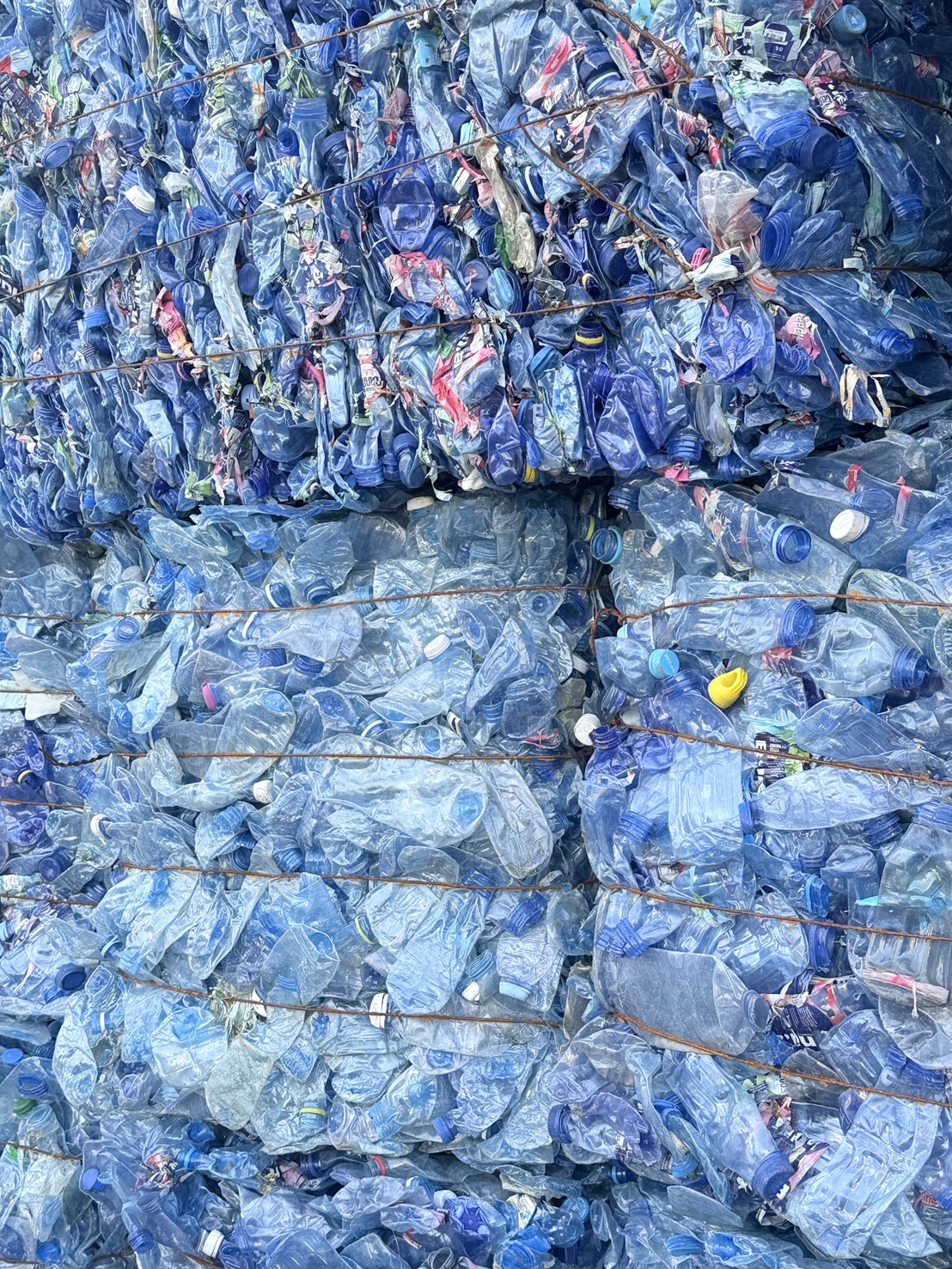
Recycled PSF may be manufactured using recycled PET materials, including post-consumer plastic bottles.
According to Textile Exchange, recycled polyester is an important material within efforts to improve resource use in the textile industry.
However, recycled content alone does not guarantee a particular level of softness, resilience, or quality. Buyers should review technical specifications and evaluate samples before selecting a material.
When sourcing polyester staple fiber, buyers should communicate their manufacturing requirements clearly.
Important details include the intended application, required denier, cut length, fiber structure, finish, color, and estimated purchasing volume.
Additionally, technical documentation, sample availability, production consistency, and communication should be considered when evaluating a supplier.
By sharing these requirements, buyers can reduce specification misunderstandings and identify suitable materials more efficiently.
Hollow polyester staple fiber, including siliconized hollow PSF, is commonly considered for pillow filling because it can provide softness and loft. However, the exact specification depends on the desired pillow performance.
Hollow polyester fiber can provide greater bulk and a lightweight feel. However, softness also depends on denier, crimp, surface treatment, and the finished product’s construction.
Siliconized polyester fiber is commonly used in filling applications where smoothness and softness are important, including pillows, cushions, and certain bedding products.
Yes. Recycled PSF can be used for cushions and bedding when its physical properties and specifications meet the manufacturing requirements.
Buyers should provide the application, denier, cut length, solid or hollow structure, siliconized or non-siliconized finish, color, quantity, and delivery destination.
Choosing the right polyester staple fiber is essential for achieving the desired filling performance and maintaining consistent product quality.
At Ocean Chemical Fiber International (Thailand) Co., Ltd., we supply polyester staple fiber in different specifications, including solid, hollow, siliconized, and non-siliconized options.
Whether you manufacture pillows, cushions, quilts, mattresses, or other textile products, our team can discuss your requirements and help identify suitable fiber specifications.
Contact Ocean Fiber to discuss your polyester staple fiber requirements.
Email: info@oceanfiber.co
WhatsApp: +66 948209952
777 Moo 4, Soi Thetsaban Bang Pu 99, Sukhumvit Road, Bang Pu Mai, Mueang Samut Prakan, Samut Prakan 10280, Thailand.