Every plastic bottle has the potential to become something valuable again. Instead of being discarded as waste, used PET bottles can be collected, recycled, and transformed into materials for new products.
At Ocean Chemical Fiber International (Thailand) Co., Ltd., we believe sustainability begins with responsible resource management. Through the purchase of used PET bottles from local communities, we help create opportunities for plastic waste to re-enter the production cycle.
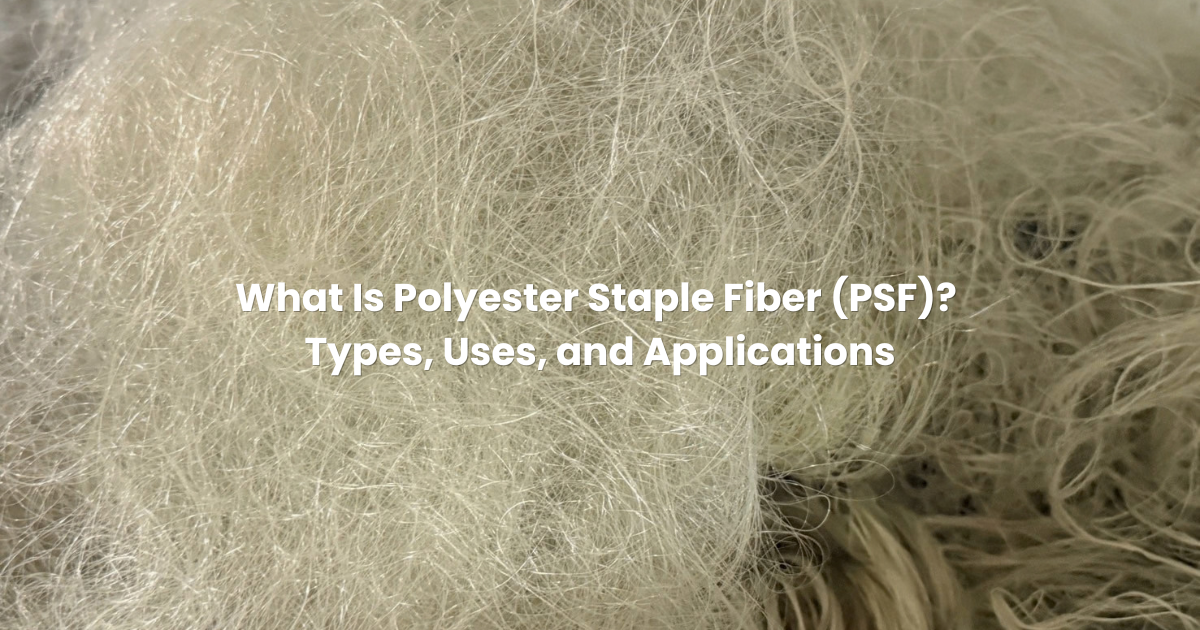
These recovered materials can then be processed into recycled polyester staple fiber (PSF), which is used in various textile and industrial applications.
Plastic waste management is a shared responsibility. Therefore, cooperation between communities, recycling businesses, and manufacturers plays an important role in keeping recyclable materials in use.
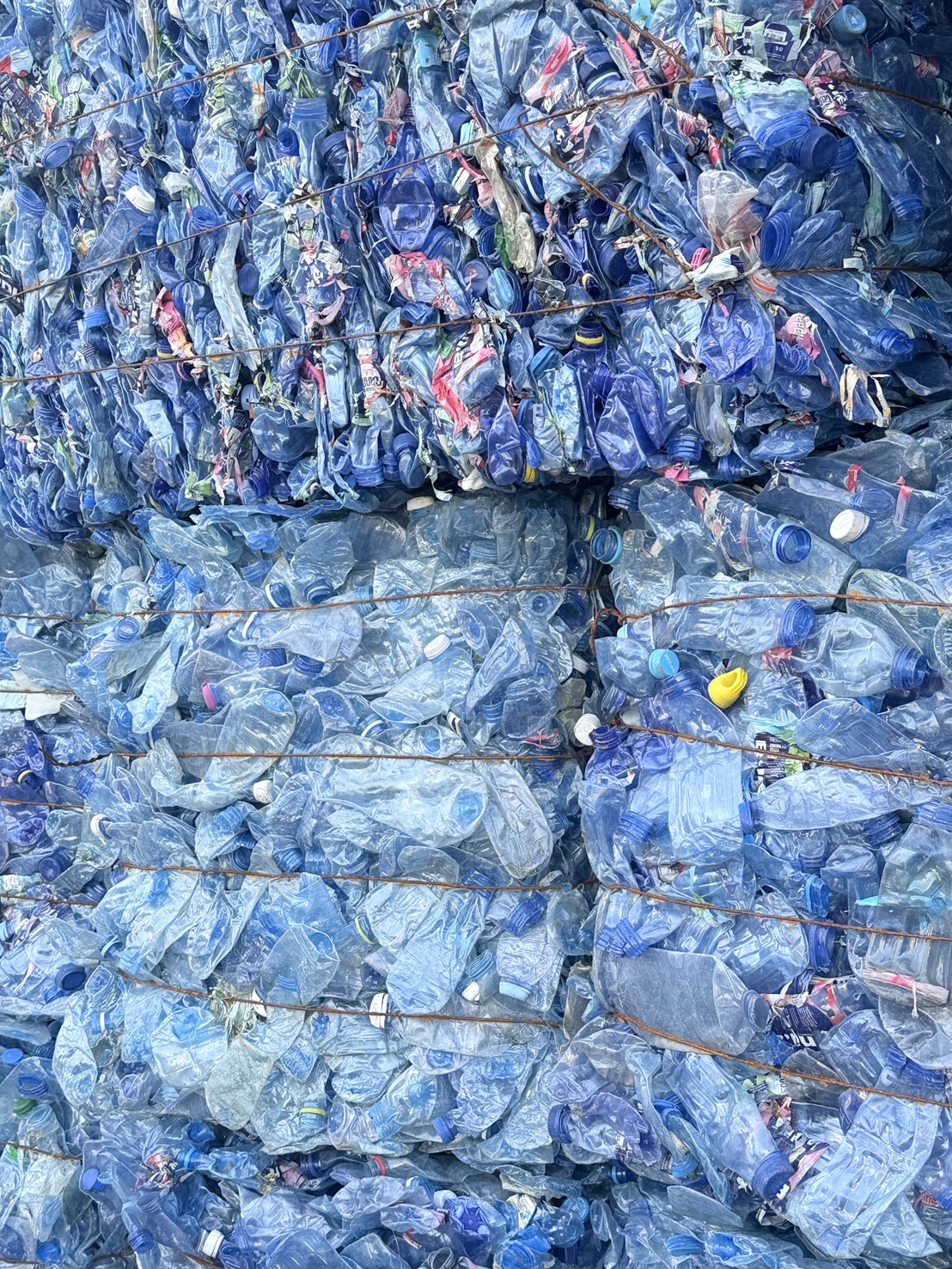
Ocean Fiber purchases used PET bottles sourced from local communities, supporting the collection and recovery of recyclable plastic.
Furthermore, the purchase of recyclable materials can provide economic value to collected waste and help support local recycling activities.
By connecting community recycling efforts with industrial manufacturing, we aim to contribute to a more resource-efficient supply chain.
The journey from used plastic bottles to polyester staple fiber involves several processing stages.
First, used PET bottles are collected from communities and other recycling sources.
The materials are then sorted to separate suitable PET from other plastics and contaminants.
Next, the collected bottles are cleaned and prepared for recycling.
Depending on the recycling process, the bottles may be shredded into PET flakes. Labels, caps, and other unwanted materials are removed during preparation.
After preparation, suitable recycled PET material is melted and processed through fiber-spinning equipment.
The material is then formed into polyester filaments and further processed according to the required specifications.
Finally, the fibers undergo additional processing, which may include drawing, crimping, and cutting.
The resulting recycled polyester staple fiber can be used in various manufacturing applications.
To learn more about fiber specifications, read our article What Is Polyester Staple Fiber (PSF)?
PET bottle recycling can help improve resource efficiency and reduce reliance on newly produced polyester raw materials.
In addition, recycling creates opportunities for recovered plastic to be used in new manufacturing applications.
When used PET bottles are collected and recycled, they can be diverted from waste disposal and returned to productive use.
However, the environmental benefits depend on effective collection, sorting, and recycling processes.
Recycled PET can be transformed into new materials instead of being treated only as waste.
As a result, valuable resources can remain in use for longer, supporting a more circular approach to manufacturing.
Community recycling activities can help connect local waste collection with industrial demand for recyclable materials.
Moreover, purchasing collected PET bottles can create economic opportunities within the recycling supply chain.
For more information about plastic pollution and circular solutions, visit the United Nations Environment Programme (UNEP).
Recycled polyester staple fiber can be used in a wide range of textile and industrial products, depending on its technical specifications.
Common applications include:
For manufacturers, the appropriate fiber specification depends on the required denier, cut length, fiber structure, and processing conditions.
Explore our Polyester Staple Fiber Products [Internal Link: เชื่อมไปหน้า Products ของ Ocean Fiber] to learn more about available fiber options.
At Ocean Fiber, we recognize that sustainability requires action throughout the material supply chain.
By purchasing used PET bottles from local communities and transforming recovered materials into recycled polyester fiber, we aim to support waste recovery, resource efficiency, and responsible material sourcing.
Furthermore, we believe that cooperation between communities, recycling partners, and manufacturers can contribute to long-term improvements in how plastic resources are managed.
Our goal is not simply to manufacture polyester fiber, but also to support a production approach that recognizes the value of materials beyond their first use.
Yes. PET bottles can be recycled into polyester fiber through suitable recycling and fiber manufacturing processes.
Ocean Fiber purchases used PET bottles to support material recovery and provide recyclable PET feedstock for polyester fiber production.
Recycling can help divert collected PET bottles from disposal and return them to productive use. However, actual environmental outcomes depend on the collection and recycling systems involved.
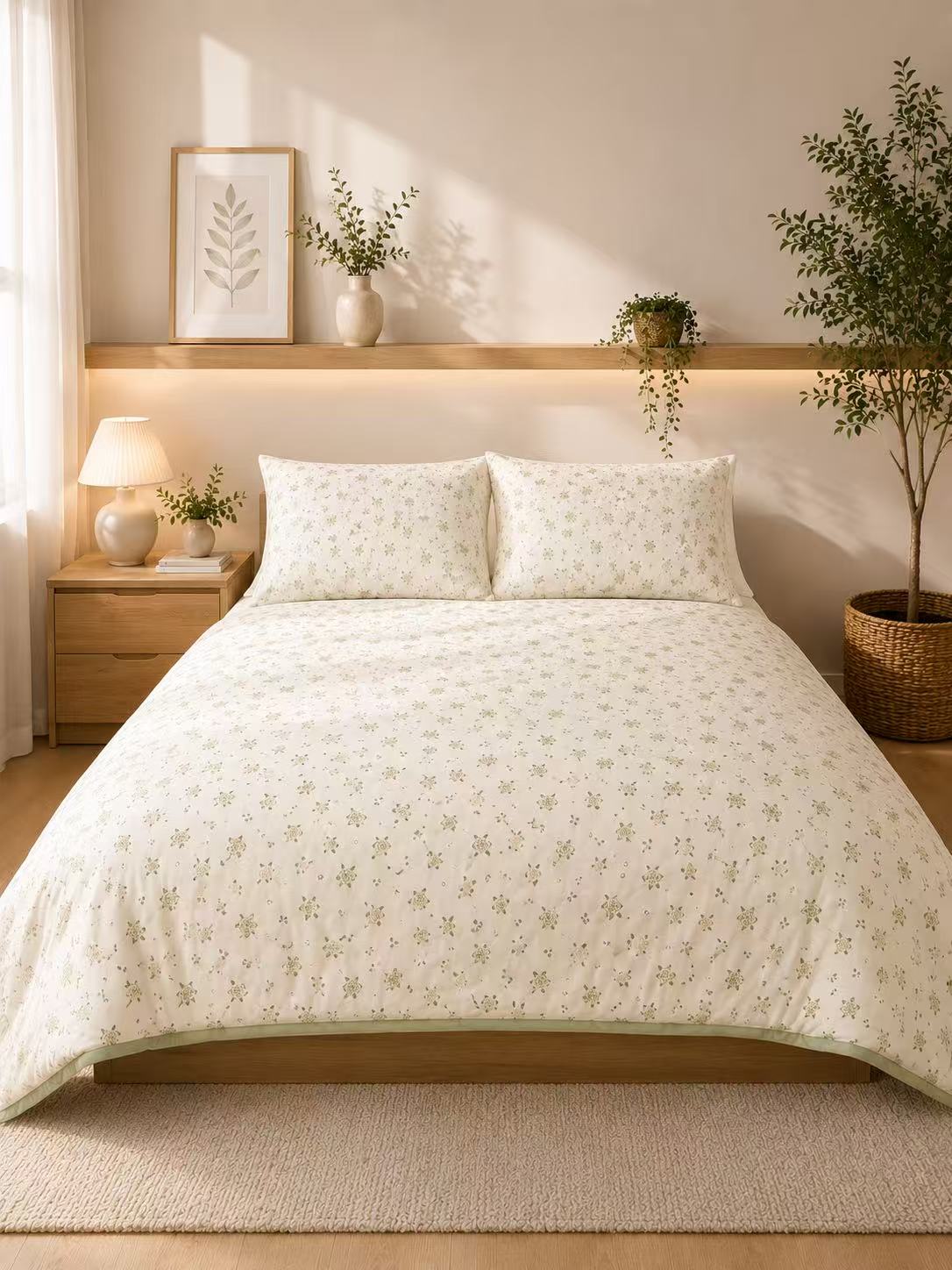
Recycled polyester fiber can be used in pillows, cushions, bedding, nonwoven fabrics, carpet felt, insulation, and other applications when the fiber meets the required specifications.
Yes. Recycled polyester staple fiber can be suitable for industrial applications when its technical properties meet the manufacturer’s requirements.
At Ocean Chemical Fiber International (Thailand) Co., Ltd., we believe that meaningful progress begins with everyday materials.
By supporting community PET bottle collection and transforming recovered plastic into recycled polyester staple fiber, we work to give valuable resources another purpose.
From communities to manufacturing, every recovered bottle represents an opportunity to create new value.
Learn more about our sustainability initiatives or visit Ocean Fiber to explore our polyester fiber solutions.